
Innovation That Goes the Distance: Toyota’s PHEV System Named 2026 AJAC Best Green Innovation
Innovation That Goes the Distance: Toyota’s PHEV System Named 2026 AJAC Best Green Innovation
Posted on March 25, 2026
At West Coast Toyota, we have always known that our customers in Pitt Meadows and Maple Ridge value two things above all else: reliability and efficiency. Whether you are commuting across the Golden Ears Bridge or heading up to the mountains for a weekend getaway, you need a vehicle that can keep up with a West Coast lifestyle without breaking the bank at the pump.
That is why we are thrilled to share some incredible industry news. The Automobile Journalists Association of Canada (AJAC) has officially named the Toyota Plug-in Hybrid (PHEV) system as the winner of the 2026 Best Green Innovation award.
This prestigious accolade isn’t just a win for Toyota engineers; it’s a win for every driver looking for a no-compromise approach to eco-friendly driving.
What Makes the Toyota PHEV System an Award-Winner?
AJAC’s panel of expert journalists across Canada doesn’t hand out these awards lightly. To win Best Green Innovation, a technology must demonstrate significant environmental benefits, consumer value, and practical application.
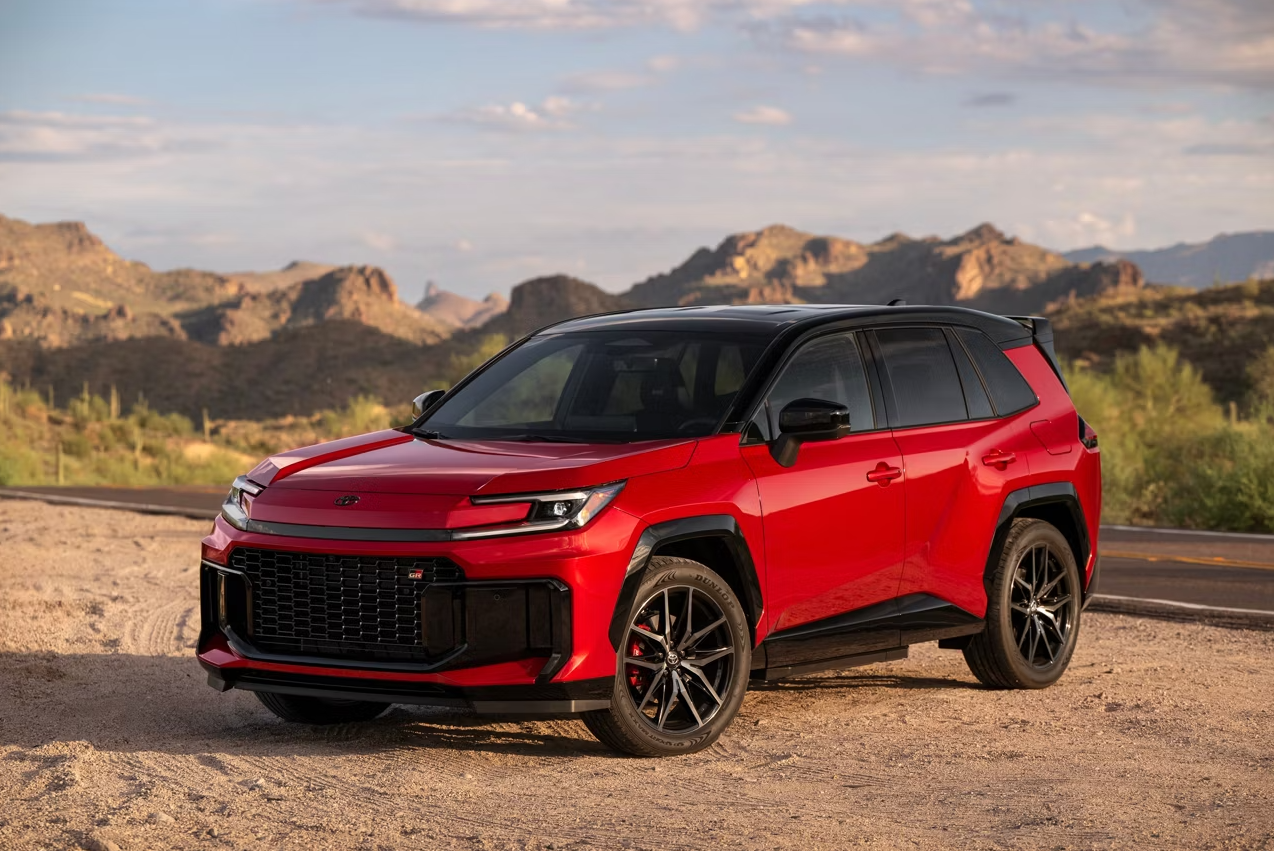
Toyota’s PHEV system, found in fan favourites like the Prius and the RAV4, stood out because of its seamless ability to blend electric performance with gasoline backup. Unlike fully electric vehicles (EVs) that may leave some drivers concerned about range on long BC road trips, Toyota’s PHEV system offers the best of both worlds.
The "Best of Both Worlds" for Pitt Meadows Drivers
Why is this specific innovation so relevant for our local community?
- Fuel-Free Commuting: For the average Pitt Meadows resident, the EV range provided by the Prius or RAV4 is often enough to cover a full day of errands, school drop-offs, and the daily commute, meaning you could go weeks without using a single drop of gas.
- Zero Range Anxiety: We live in one of the most beautiful regions in the world, and exploring it often means driving long distances. When the battery charge runs low, the system automatically transitions into a highly efficient hybrid mode. You can drive to the interior or the coast with the same confidence as a traditional gas vehicle.
- Performance in All Weathers: Our West Coast winters can be unpredictable. Toyota’s PHEV system is engineered to provide instant torque and, in the case of the RAV4, electronic On-Demand All-Wheel Drive (AWD), ensuring you have traction and power when the rain or snow starts falling.
A Commitment to a Greener Future
Winning the 2026 AJAC Best Green Innovation award reinforces Toyota’s Beyond Zero vision. Toyota believes that to reach carbon neutrality, we must provide a variety of electrified options that fit the diverse needs of drivers. Not everyone is ready for a full battery-electric vehicle, and the PHEV system acts as the perfect bridge, offering significant carbon reduction while remaining incredibly practical for the average Canadian family.
Experience Award-Winning Innovation at West Coast Toyota
As your local Pitt Meadows Toyota experts, we invite you to come and see this award-winning technology in person. Our team can walk you through the specifics of the PHEV powertrain, explain the federal and provincial EV rebates available to BC residents, and get you behind the wheel of a Prius or RAV4.
The future of driving is here, and it’s more efficient than ever. Come visit West Coast Toyota today and see why AJAC has crowned Toyota the leader in green innovation for 2026.
Frequently Asked Questions: Toyota’s Award-Winning PHEV System
Q1. What exactly did Toyota win from AJAC for 2026?
A1. Toyota received the 2026 Best Green Innovation award from the Automobile Journalists Association of Canada (AJAC). The award specifically recognizes Toyota’s 6th Generation Plug-in Hybrid (PHEV) powertrain, which debuted in the 2026 RAV4 PHEV. It was praised for its "incremental yet meaningful" improvements in power, charging speed, and electric-only range.
Q2. How far can the 2026 RAV4 PHEV go on electricity alone?
A2. The new 6th-gen system has boosted the electric-only driving range to approximately 80 kilometres on a full charge. For many Pitt Meadows residents, this is more than enough to handle a daily commute to Coquitlam, Surrey, or even downtown Vancouver without using any gasoline.
Q3. Does the new system support fast charging?
A3. Yes! One of the biggest innovations for 2026 is the addition of DC Fast Charging capability (available on XSE models). You can now charge the battery from 10% to 80% in about 30 minutes at a Level 3 station, making it much easier to "top up" while grabbing a coffee or groceries.
Q4. Are there still government rebates available for the 2026 models in BC?
A4. Absolutely. BC drivers may be eligible for two levels of savings:
- Federal (EVAP): The new Electric Vehicle Affordability Program provides up to $2,500 for eligible plug-in hybrids.
- Provincial (CleanBC): Depending on income eligibility, you can receive up to an additional $2,000 off the purchase price.
Note: Rebates are subject to vehicle price caps and availability. Our team at West Coast Toyota can help you calculate your total savings!
Q5. Is the 2026 RAV4 PHEV powerful enough for towing?
A5. Surprisingly, yes. The 2026 model features an upgraded 324-horsepower system, a 22-hp increase over the previous generation. This boost allows the RAV4 PHEV to offer a towing capacity of up to 3,500 lbs, making it perfect for hauling a small boat or a camping trailer through the Fraser Valley.
Q6. How long does the hybrid battery last?
A6. Toyota stands behind its technology with one of the best warranties in the industry. The hybrid battery is covered for 10 years or 240,000 km (whichever comes first), while other hybrid components are covered for 8 years or 160,000 km. Historically, over 98% of Toyota hybrids sold in Canada since 2001 have never needed a battery replacement.
Q7. Why choose a PHEV over a fully electric vehicle (BEV)?
A7. For many West Coast drivers, a PHEV offers the perfect middle ground. You get the zero-emission benefits of an electric car for your daily Pitt Meadows errands, but the gasoline engine provides a "safety net" for long-distance trips where charging infrastructure might be sparse. It effectively eliminates "range anxiety" while still drastically reducing your carbon footprint.